Behind the Headlines: What Will It Take for Growth to Benefit Every Neighbourhood
Economic Justice Brum hosted a “Big Picture Conversation” with Professor Anne Green to ask: what actually needs to happen for growth to improve everyday life across the whole city?

By Jennie Sandford
10 March 2026
At the end of February, Economic Justice Brum hosted a “Big Picture Conversation” with Professor Anne Green (City-REDI, University of Birmingham) to look beyond the glossy narratives about Birmingham’s economic future and ask a more grounded question: what actually needs to happen for growth to improve everyday life across the whole city?
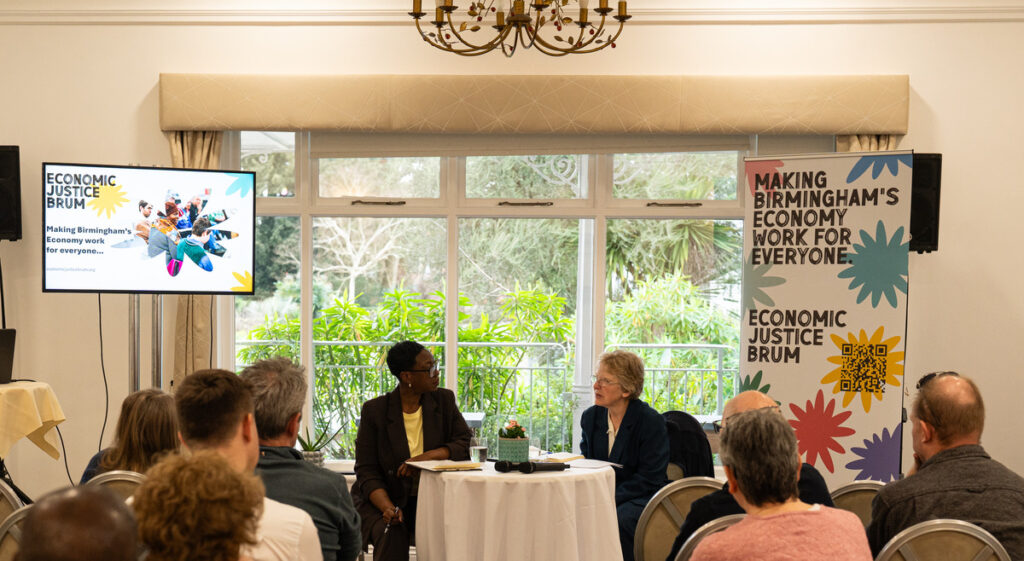
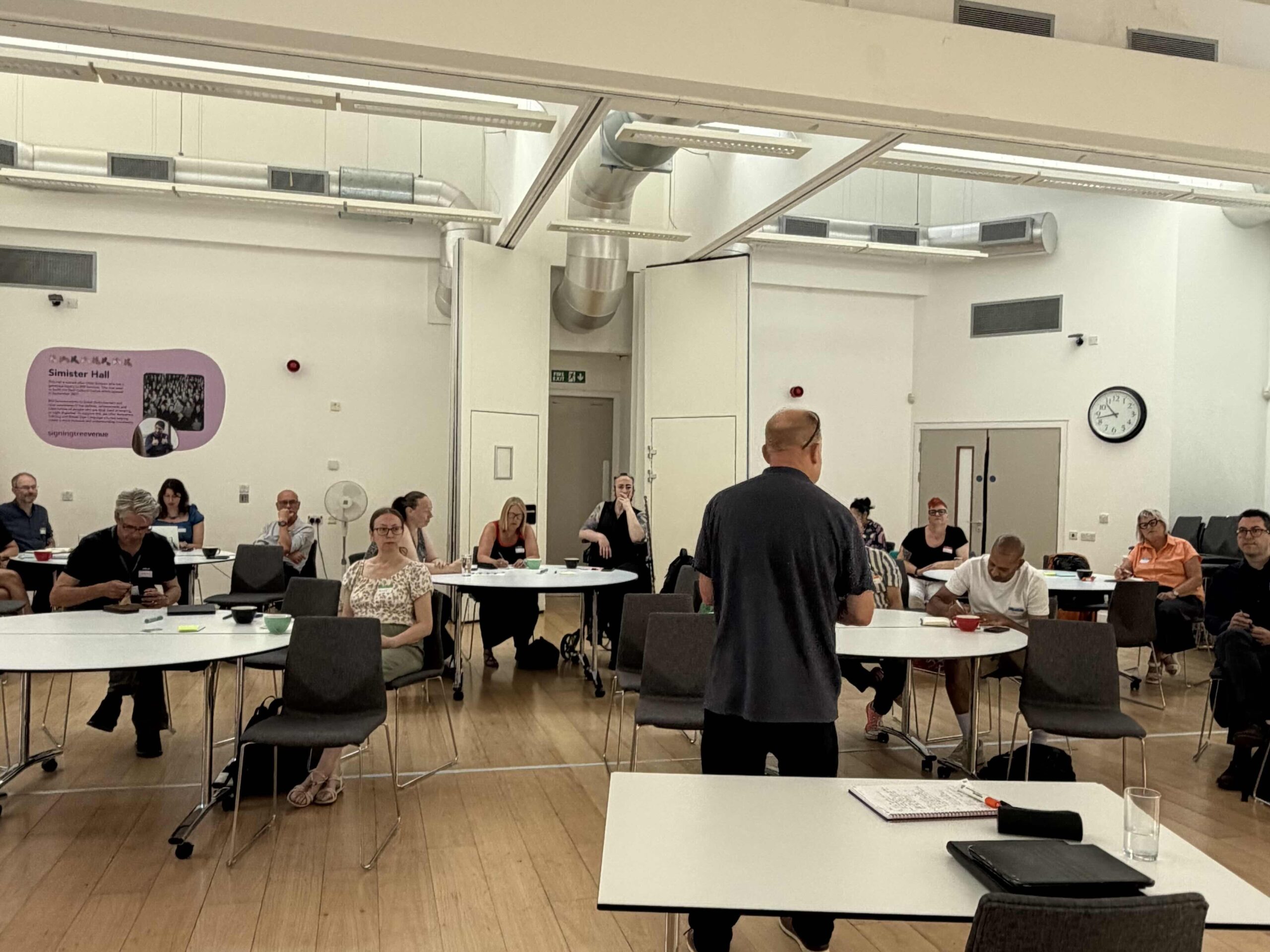
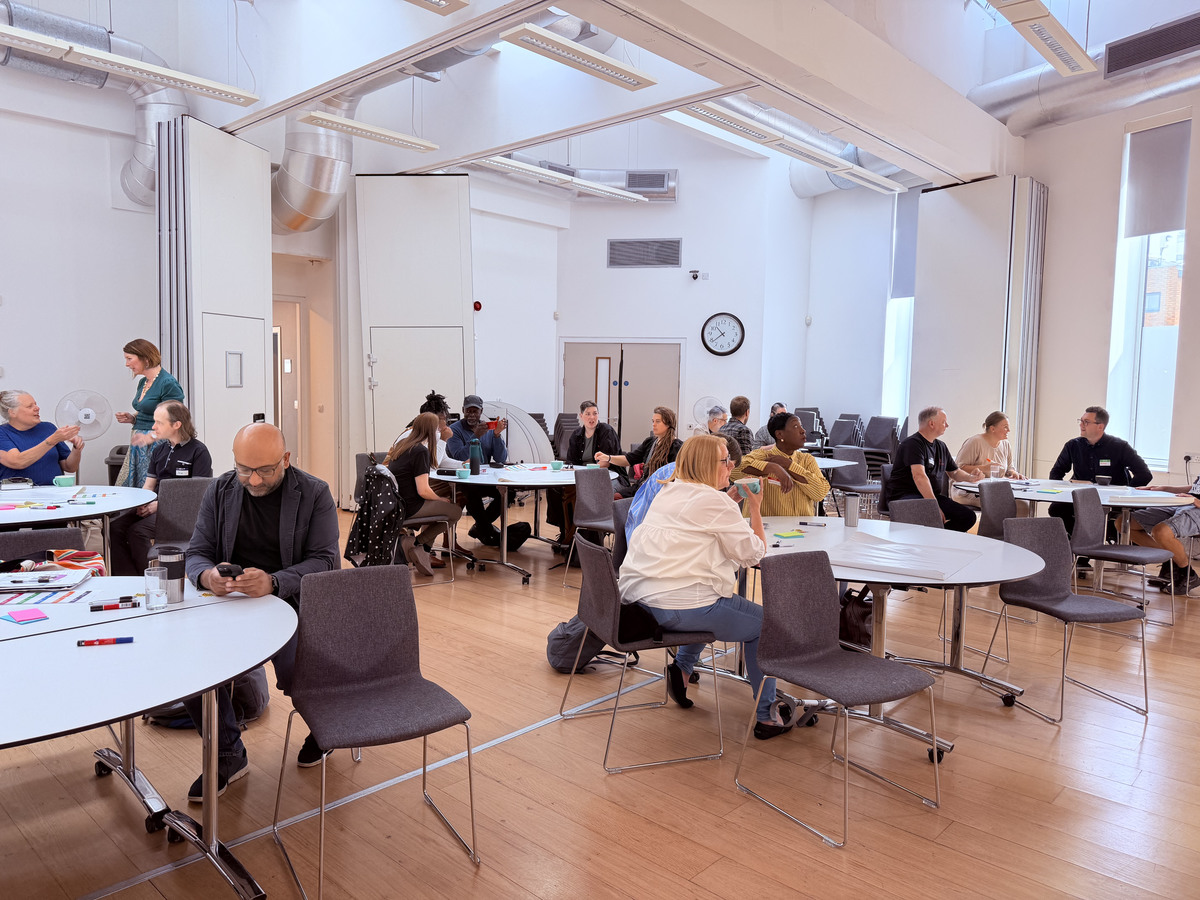
Hosted by Patricia White, MBE (Economic Justice Brum) at Birmingham Botanical Gardens, the event brought together people from community organisations, research institutions, public services, and local networks for an open conversation about the relationship between economic growth, work, neighbourhoods, and wellbeing.
The discussion began by acknowledging the positive story often told about Birmingham’s economic potential. Major investment, infrastructure projects, and sector growth all point to a city with opportunity. But as Professor Green’s research highlighted, economic progress is rarely simple and rarely guaranteed.
Across the UK and internationally, places that succeed in reducing inequality tend to share several characteristics: sustained long-term investment, clear strategic direction, strong partnerships, and the ability to work across sectors. There is no single policy or “silver bullet” that can transform a city’s fortunes on its own.
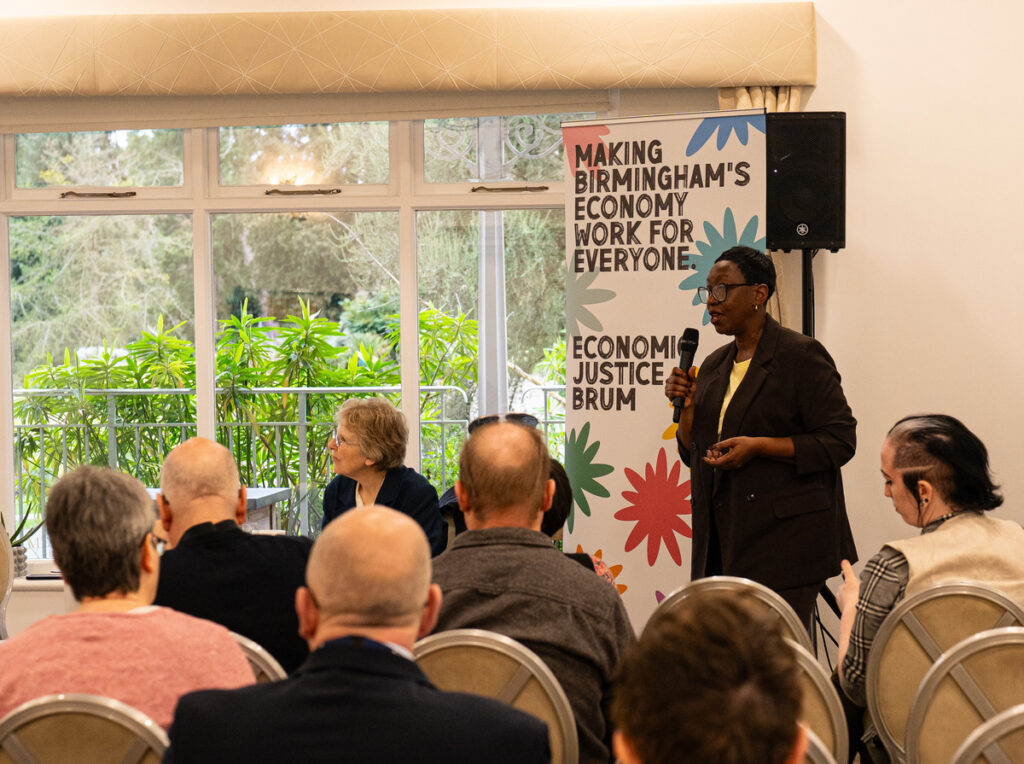
One of the key themes of the morning was the need to look beyond the number of jobs created and instead focus on the quality of work available. Good jobs are those that provide security, fair pay, opportunities for progression, supportive workplaces, and a healthy work–life balance. Without attention to job quality, economic growth alone does not necessarily translate into better outcomes for residents.
Professor Green also shared research showing how Birmingham’s labour market is changing. Demand is increasing for professional roles and skilled trades, while traditional entry-level positions in areas such as sales and customer service are declining. At the same time, a large number of residents remain outside the labour market due to long-term sickness, caring responsibilities, or other barriers. This highlights the importance of linking economic strategy with wider issues such as health, skills, and access to opportunity.
Participants in the room brought important perspectives from community and frontline experience. One key reflection was that neighbourhood conditions play a critical role in economic outcomes. If people see work as a way to leave their neighbourhood, it is not surprising when they move away once opportunities arise. Creating thriving communities with decent housing, safe environments, good transport, and strong social connections is therefore not separate from economic development, but central to it.
Health was another recurring theme. Long-term illness, stress, and unequal access to services have a direct impact on people’s ability to work and engage with opportunities. This makes health equity an essential part of any conversation about economic justice.
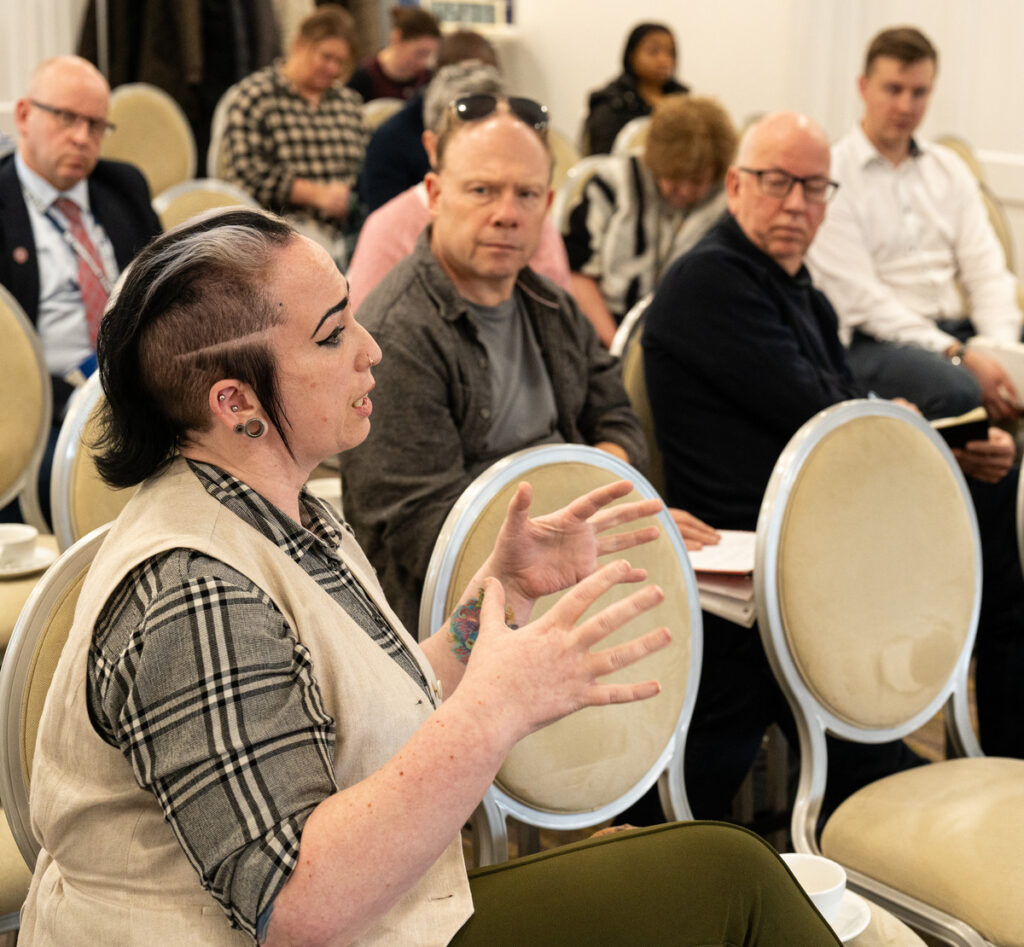
The discussion also challenged the language often used in economic policy. As one participant noted, people who are described as “economically inactive” are frequently caring for families, supporting communities, and contributing to the local economy in many ways. If strategies are truly meant to serve everyone, they must involve and respect the voices of those most affected by inequality. (See Charlie McNeill ‘s recent video on this)
The morning reinforced the importance of spaces where research, lived experience, and civic leadership can come together in honest dialogue. It also highlighted how much work remains to ensure that Birmingham’s future growth benefits the people and neighbourhoods that need it most.
What happens next
Economic Justice Brum will continue creating spaces for these conversations and connecting people who are working toward a fairer, more inclusive local economy.
If you are interested in shaping these discussions, you can:
- Join the Economic Justice Brum network and connect with others working across the city
- Attend a future gathering or event to meet like-minded people working for change
- Share your ideas, experiences, or research that could help shape future conversations about economic justice in Birmingham
Real change happens when people across sectors work together. If you care about inclusive growth, neighbourhood renewal, community power, or tackling inequality in Birmingham, we would love you to be part of the conversation.
Background
More from EJB
Spread the word
Start talking to your friends and neighbours about what economic justice could mean for Birmingham.


Sign Up
Get email updates from Economic Justice Brum