Jobs, Skills, and Flourishing Neighbourhoods: Reflections from Nechells
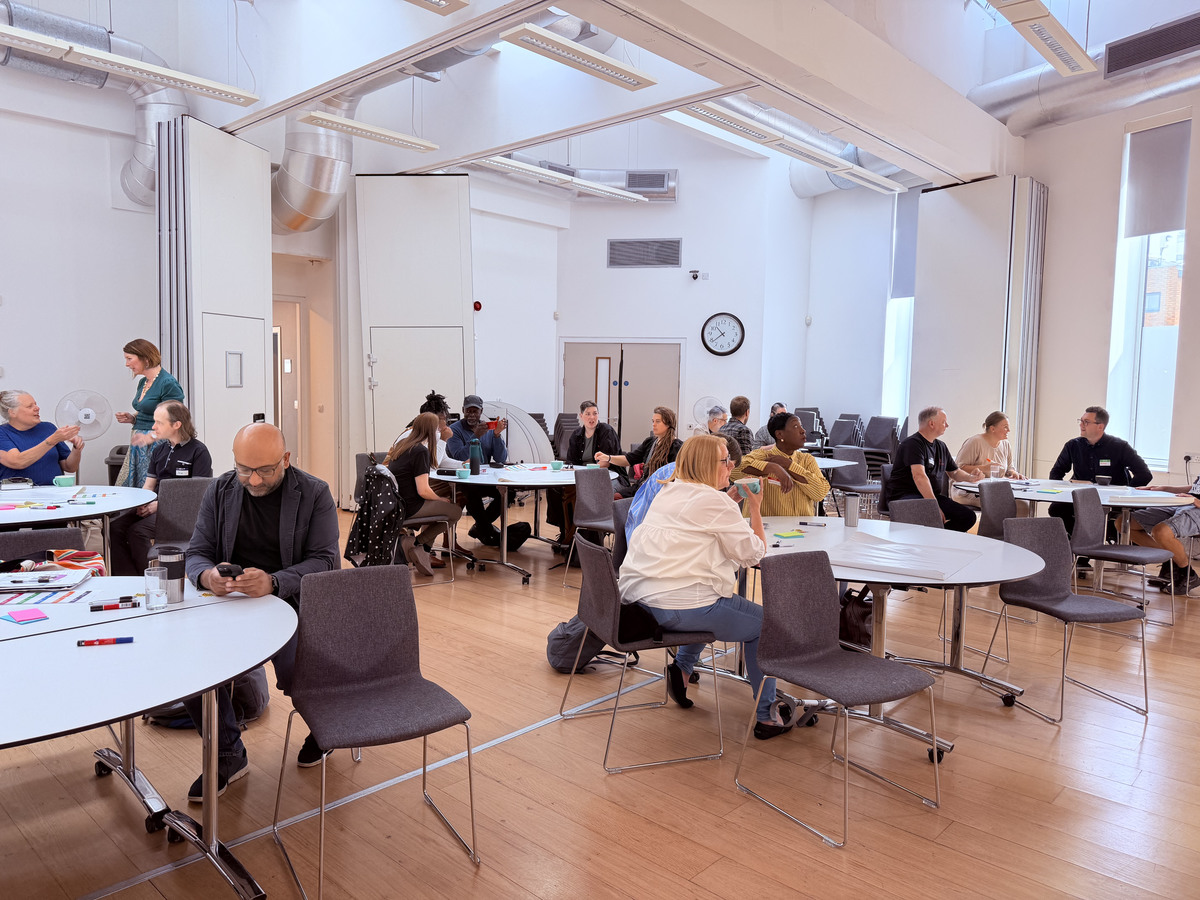
At our recent Economic Justice Brum event, The Future of Work in East Birmingham, we gathered in Nechells to ask a big question: As major investment comes into East Birmingham, how do we make sure local people genuinely benefit?

By Jennie Sandford
06 May 2026
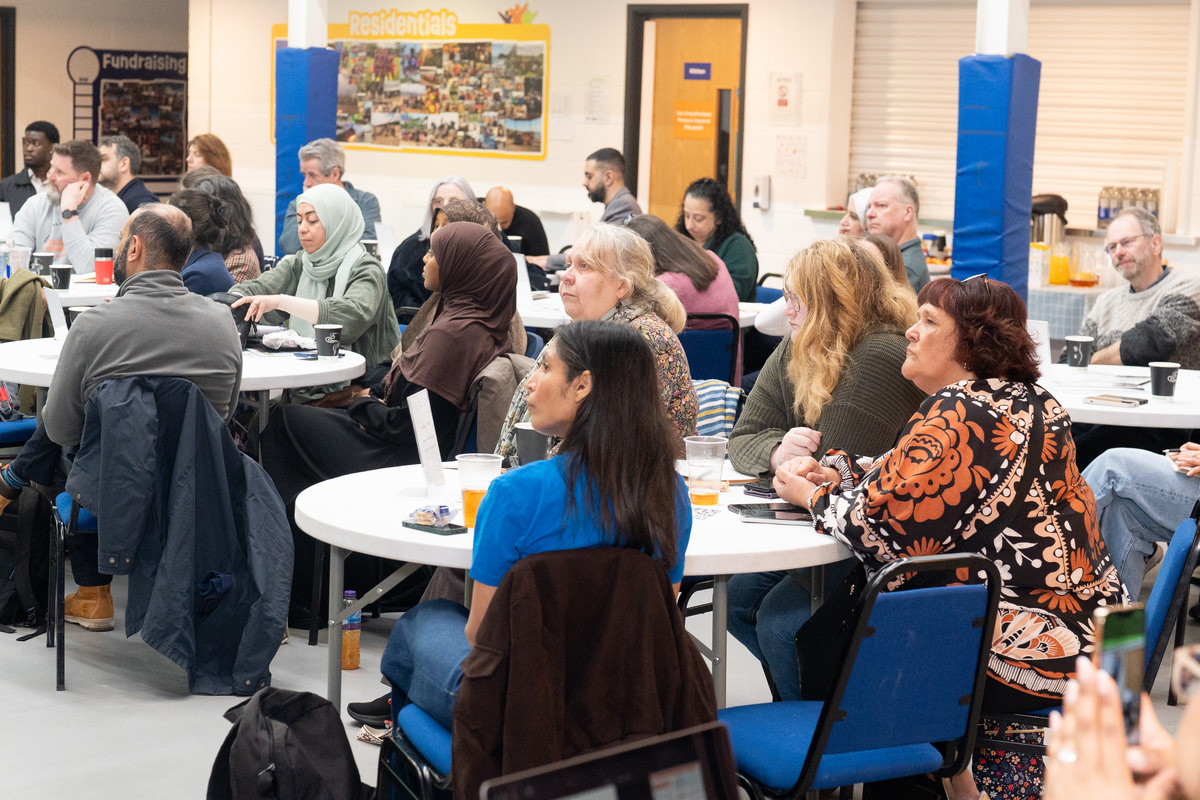
At our recent Economic Justice Brum event, The Future of Work in East Birmingham, we gathered in Nechells to ask a big question:
As major investment comes into East Birmingham, how do we make sure local people genuinely benefit?
The conversation brought together community leaders, local organisations, public sector partners, employers, and people working across skills, youth work, construction, housing, and economic development. It was a rich and honest discussion about jobs, opportunity, barriers, and what it will really take for neighbourhoods to flourish.
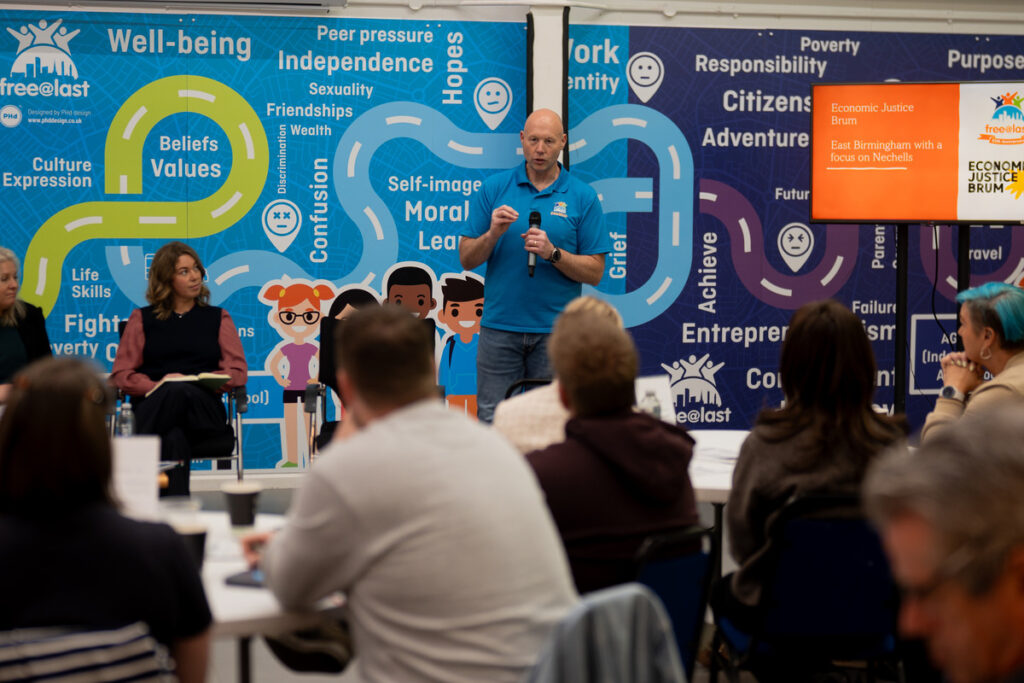
John Street, CEO of Free@last and a long-standing Nechells community leader, opened the event by grounding the discussion in place. He reminded us that Nechells is not just a boundary on a map. It is a community with deep history, long-standing neglect, and significant potential.
Jobs may exist nearby, but that does not mean residents can easily reach them, feel they belong in them, or have the support needed to access them.
One of the strongest messages from John’s contribution was that proximity does not equal access. Nechells sits close to major employment sites, transport routes, future growth areas, and large-scale investment. Yet many local people remain disconnected from those opportunities.
The panel also included Tara Verrell, East Birmingham Inclusive Growth Programme Manager at Birmingham City Council, and Catherine Hadfield, Strategic Lead for Birmingham Knowledge Quarter. Both spoke about the scale of investment planned across East Birmingham and the importance of ensuring inclusive growth is built in from the start, not added as an afterthought.
A key theme running through the morning was that “jobs and skills” cannot be treated in isolation. Transport, housing, health, confidence, poverty, education, social value, and community power are all part of the same picture.
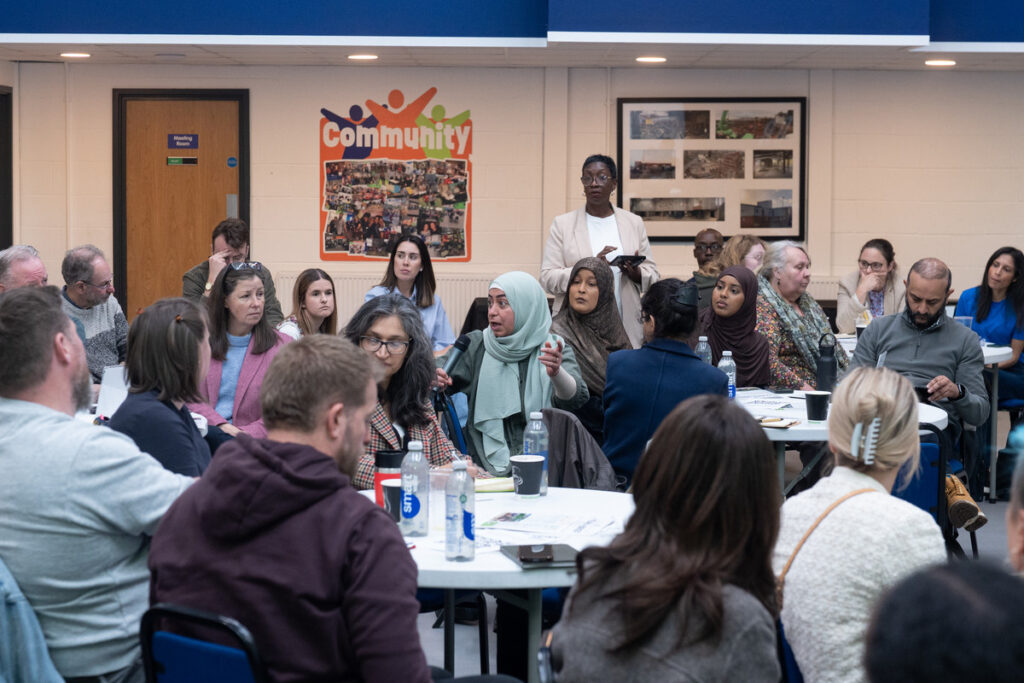
Several contributors spoke about the need to start much earlier with children and young people. Not just responding when people are already out of work, but nurturing confidence, aspiration, practical skills, and real pathways from an early age.
There was also a clear challenge to employers and institutions. Social value cannot be a series of disconnected projects. If major employers, developers, and anchor institutions want to make a difference, they need to build long-term relationships with local communities, schools, youth organisations, and trusted neighbourhood partners.
The inner cities are not devoid of talent, they’re devoid of opportunity.
That insight cuts to the heart of the challenge. The issue is not a lack of potential in East Birmingham’s communities. It is whether systems, investment, and decision-making are aligned in a way that allows that potential to thrive.
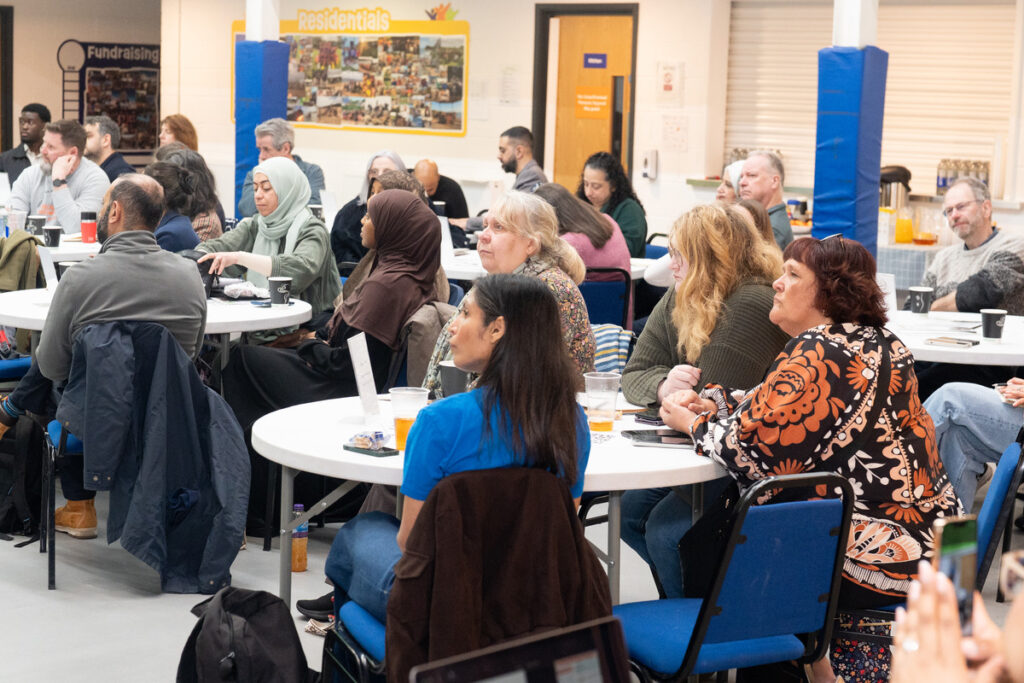
The conversation also returned repeatedly to community power. Consultation alone is not enough. People and organisations rooted in East Birmingham need real routes into decision-making, with the resources, trust, and influence to shape what happens in their own neighbourhoods.
As one contributor put it, we need to ask different questions. Not only “What jobs are coming?”, but “What are local people passionate about?”
Key themes
- Nechells is close to major investment but not automatically connected to it.
- Jobs exist locally, but many residents face physical, mental, structural, and confidence barriers.
- Skills work needs to start earlier, not only when people are already in crisis.
- Employers need clearer routes into communities, not isolated social value projects.
- Community voice needs to become decision-making power, not just consultation.
- Housing, transport, health, poverty, and work cannot be separated.
There are no easy answers. But the event did show the value of bringing different people into the room to speak honestly about what has not worked before, what needs to change, and what might be possible if growth is shaped with communities rather than simply delivered to them.
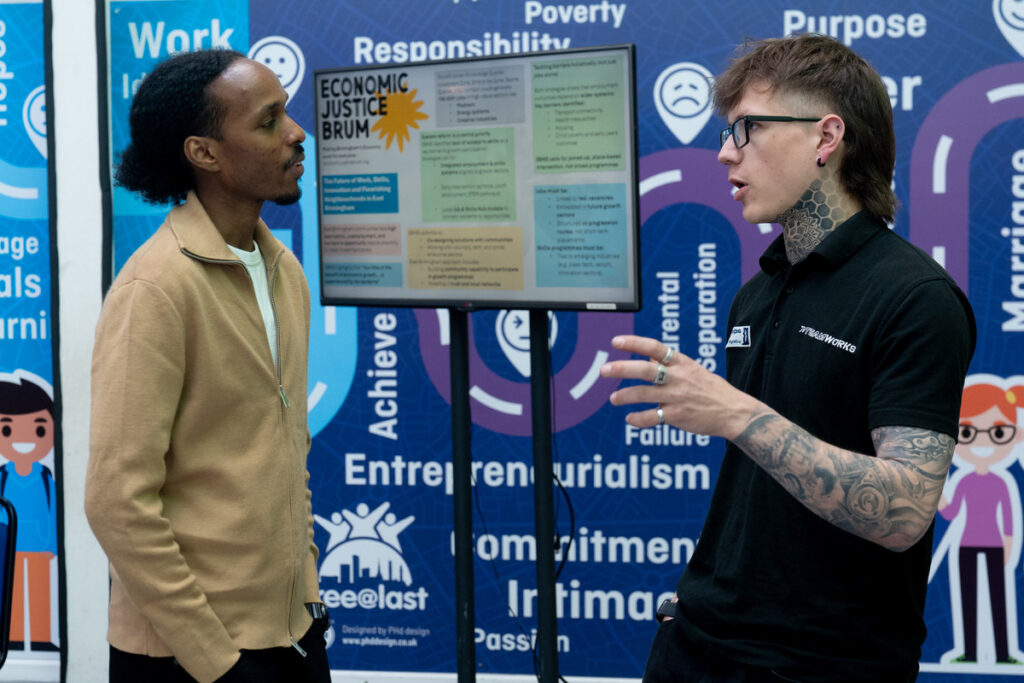
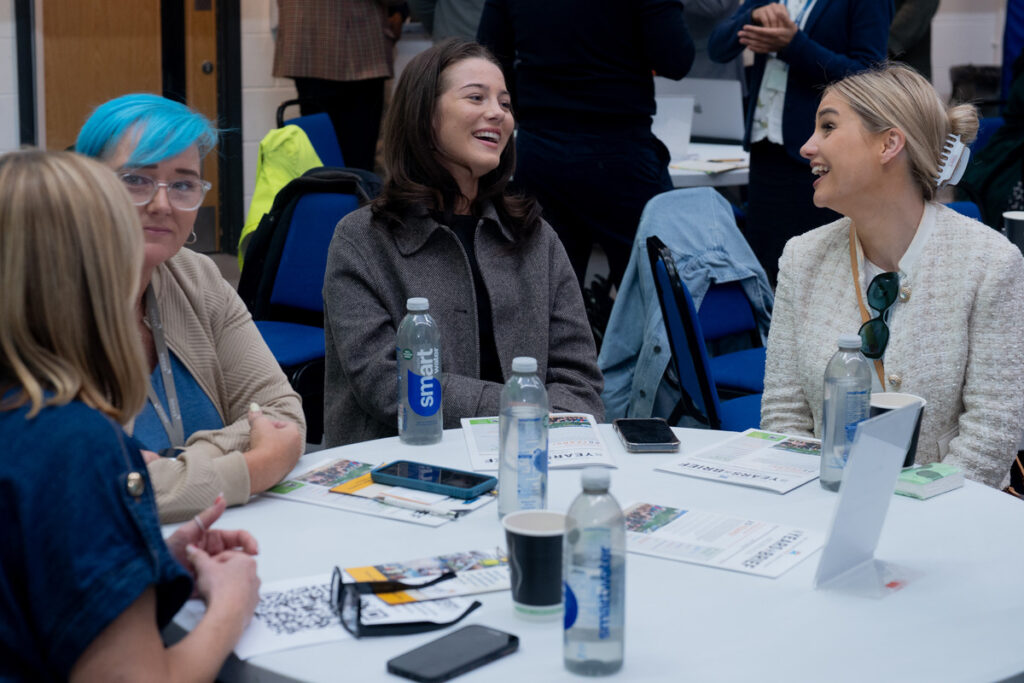
For Economic Justice Brum, this is what the work is about.
This is not a single project, a one-off event, or a campaign with a fixed end point. It is a movement.
And movements only exist and create change if people show up. If people bring their experience, their ideas, their challenge, and their commitment into shared spaces like this. If we stay in the room, keep asking difficult questions, keep building relationships, and collectively keep pushing for change that is rooted in lived reality.
Background
More from EJB
Spread the word
Start talking to your friends and neighbours about what economic justice could mean for Birmingham.


Sign Up
Get email updates from Economic Justice Brum